
My Creative Process
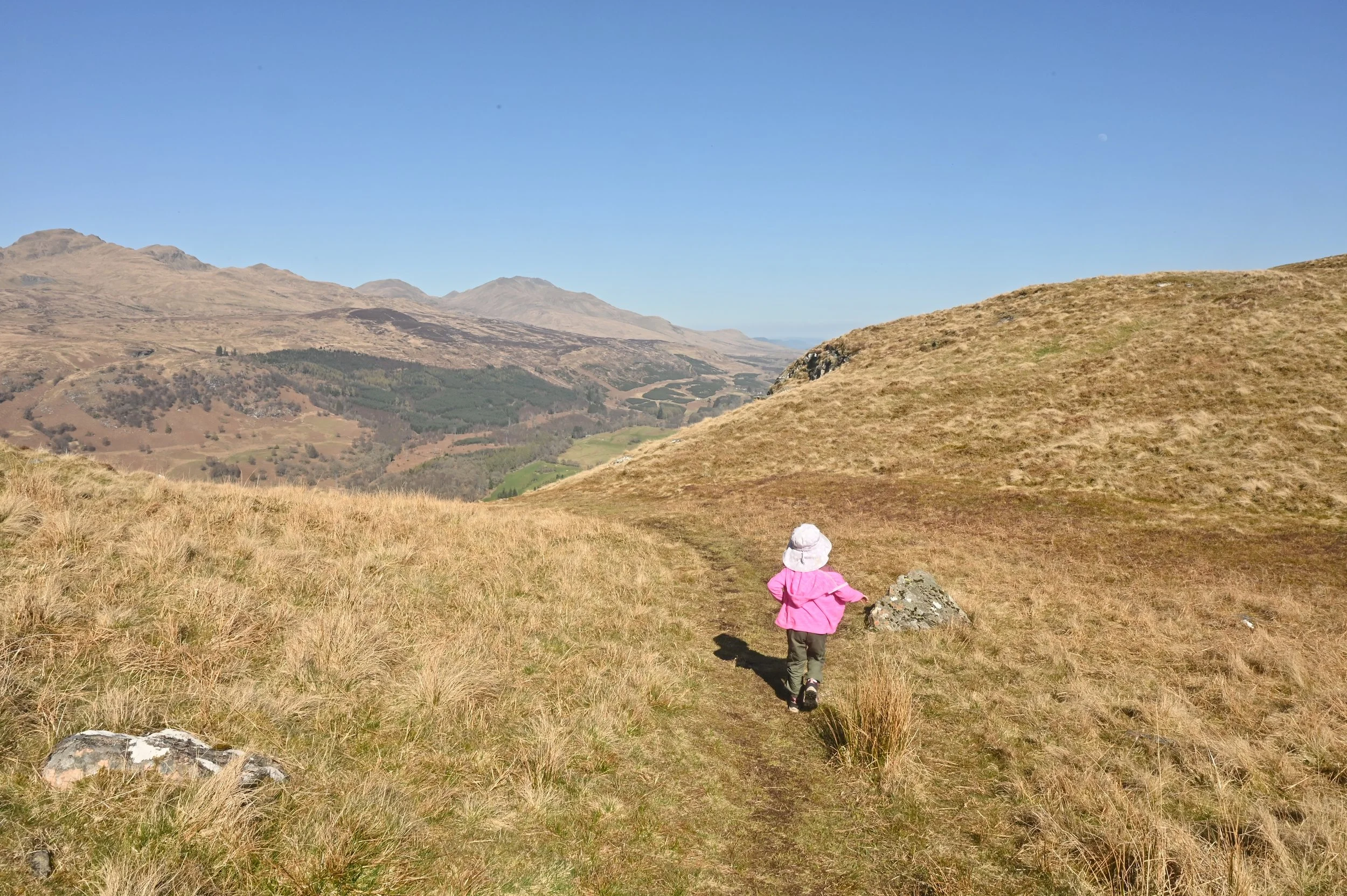
Family hiking trips are a great source of inspiration
I have always found it interesting to hear about how others create, whether that might be a piece of art, a tool, a software program, bread, preparing vegetable beds or something else. The process is part of the result, it helps to understand and appreciate the result. It helps to learn not only the ‘how to make’, but also ‘how to not give up’. For human creativity (whether that’s the traditional or the underappreciated type) is often a both beautiful and messy process full of hope, resilience, and perseverance.
Inspiration
My process always starts with inspiration. And lots of my inspiration starts outside with my family, exploring somewhere beautiful. One great thing about hiking with kids is that it makes you slow down and really SEE what’s around you. Most of my paintings are inspired by real places, animals, plants that we’ve seen during our trips (and my love for photography is really helpful for coming back to these places from the comfort of my home). Even the fantasy paintings that I make are inspired by that longing for ‘wonder’ and ‘awe’ that we often encounter outdoors.
Sometimes I might make a sketch outside (with keen little explorers that’s a great and rare privilege!). However, most of the actual progress usually takes part at my desk at home, usually at night (which means a struggle with enough light for pictures!) or during the school hours when the kids are away.
Sketching
Lately I seem to end up with at least 2 sketches before the final sketch in made.
It starts with a rough idea in my sketchbook.
Then I create a more detailed sketch on simple cheap printer paper. This is the time when I finalise the composition and take time to adjust all the small details (as a result, I don’t have to do too much rubbing on the final sketch which could damage the paper).
Then I get my light-box and transfer the sketch to watercolour paper. This is my last chance to make minor adjustments to the sketch.
Colouring
Next step is choosing the colour scheme and the medium. The colours are usually a mix between the colour scheme of the ‘inspiration’ and the artistic interpretation of it. The ‘inspiration’ of colours often comes from the pictures I took or some nice combination of colours or contrasts that I have observed.
Most of the time I start with a few layers of watercolours and then add some layers with pencils/watercolour pencils/gouache/acrylic markers/fine-line markers as needed.
This is a tricky stage because there is no ‘step back’ button (that’s one big benefit of using digital colouring techniques!). Sometimes I might practice the colour scheme and watercolour effects that I aim to achieve on a separate piece of paper. To achieve a bold and interesting design takes some bravery to try different things and resilience to re-do the work if it doesn’t work out.
Scanning and Final touches
The last stage is scanning and making adjustments as necessary to adjust the colours to look like the original or fix any minor blemishes (like dust on the printer or a spot from a crayon that fell on my desk at unfortunate time :D).
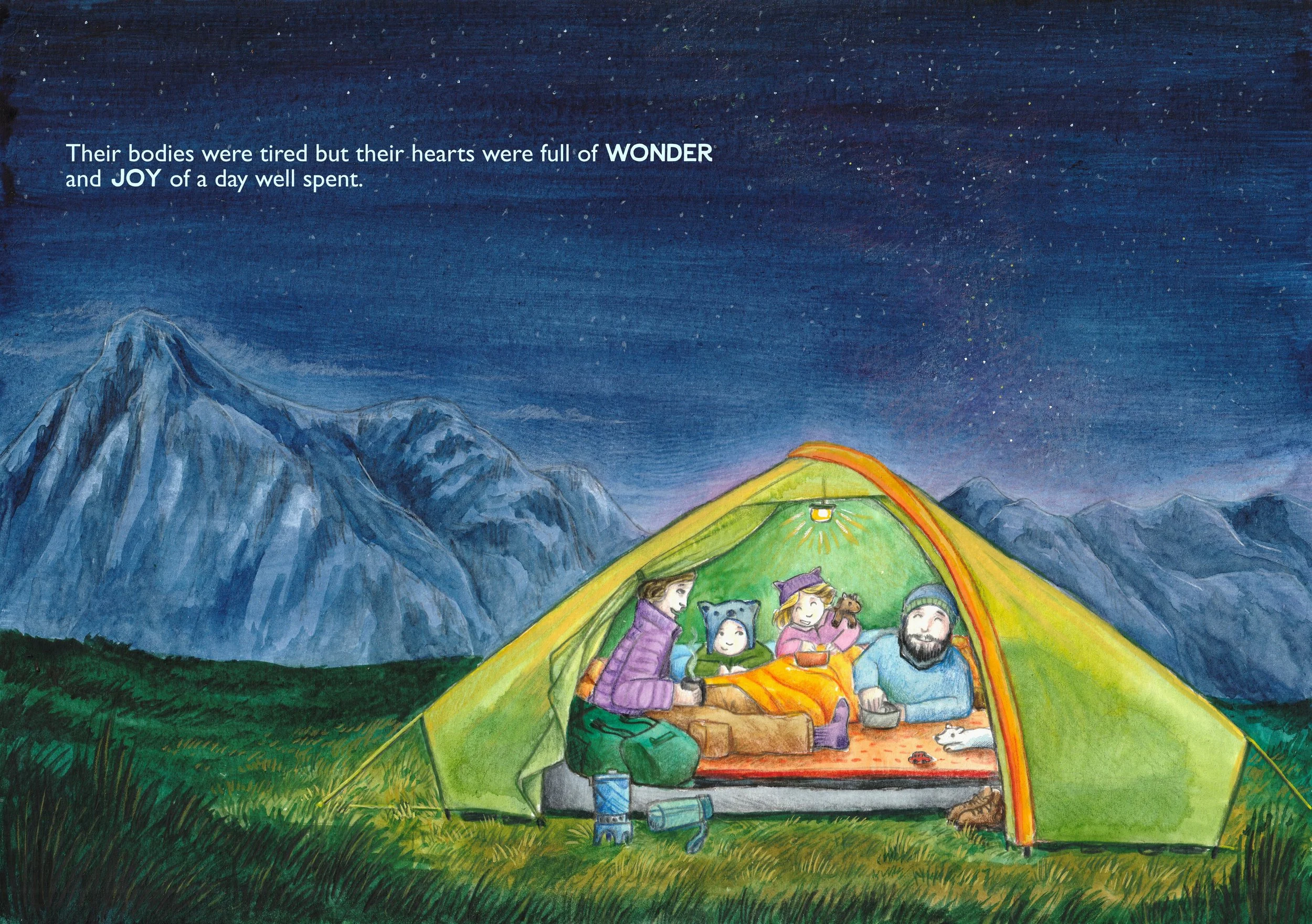
Final version of the painting
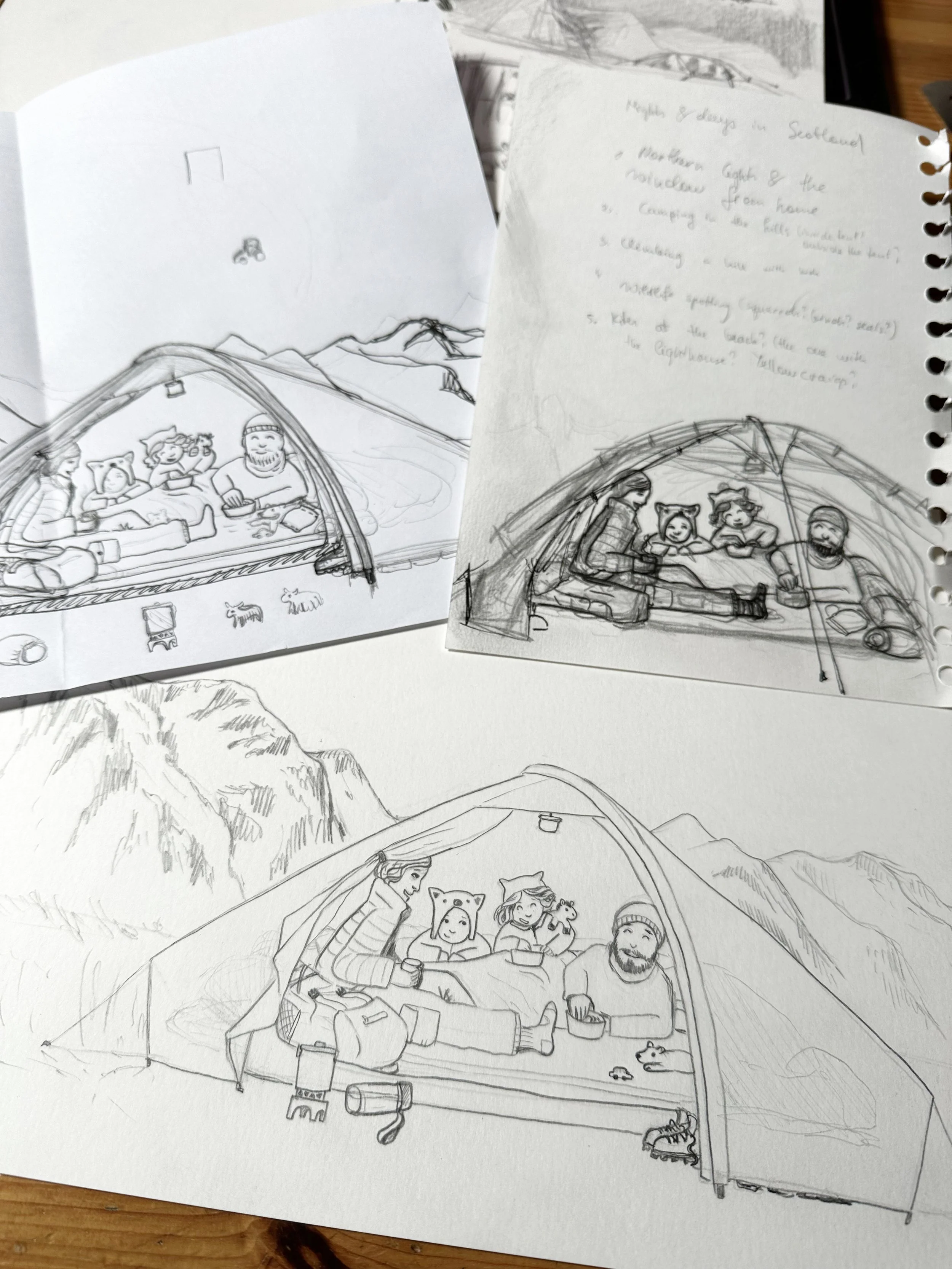
An initial idea sketch on top right, the detailed sketch working out the composition on top left, and the final sketch on watercolour paper at the bottom.
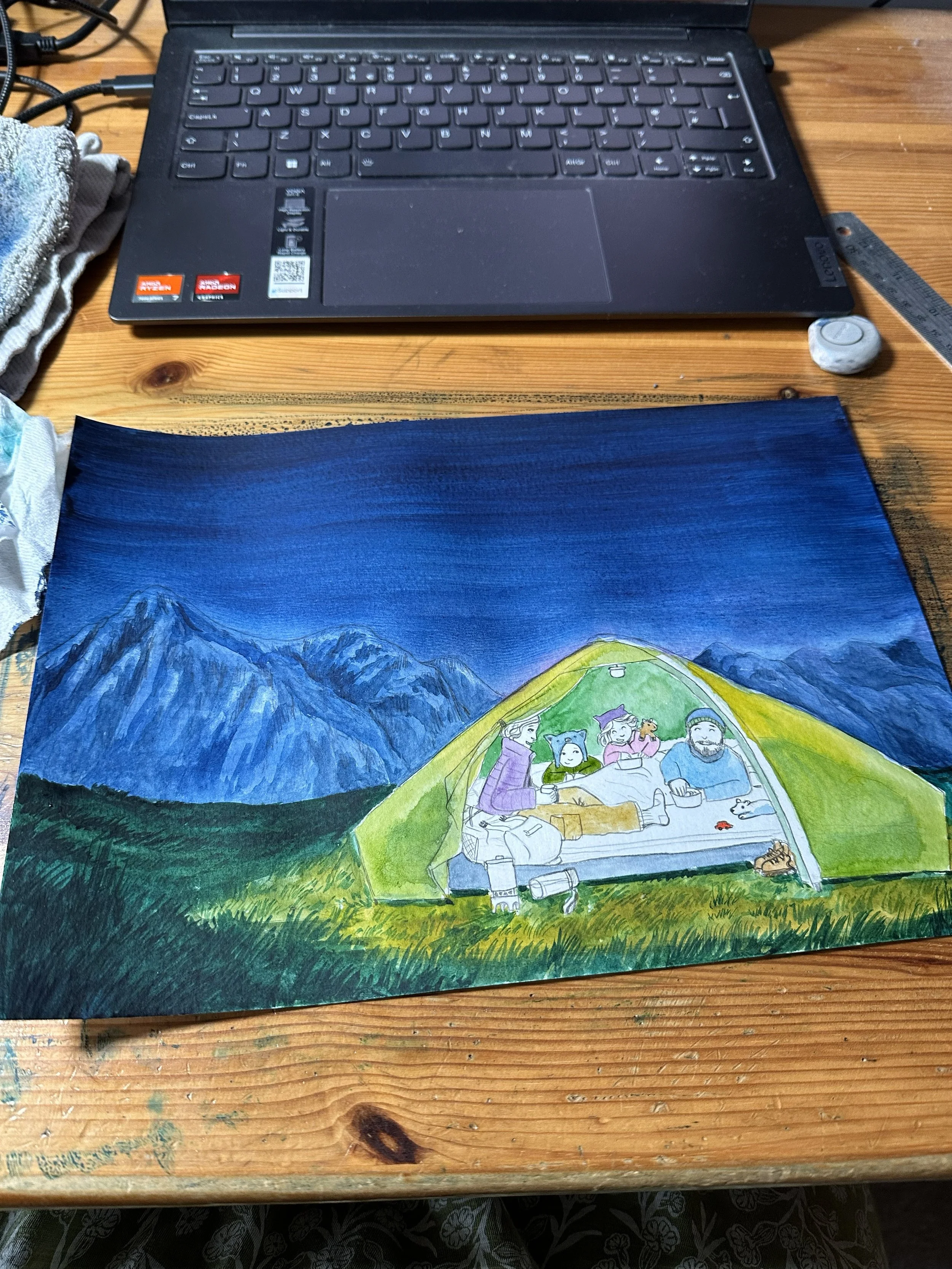
Laying out some colours with watercolour paints
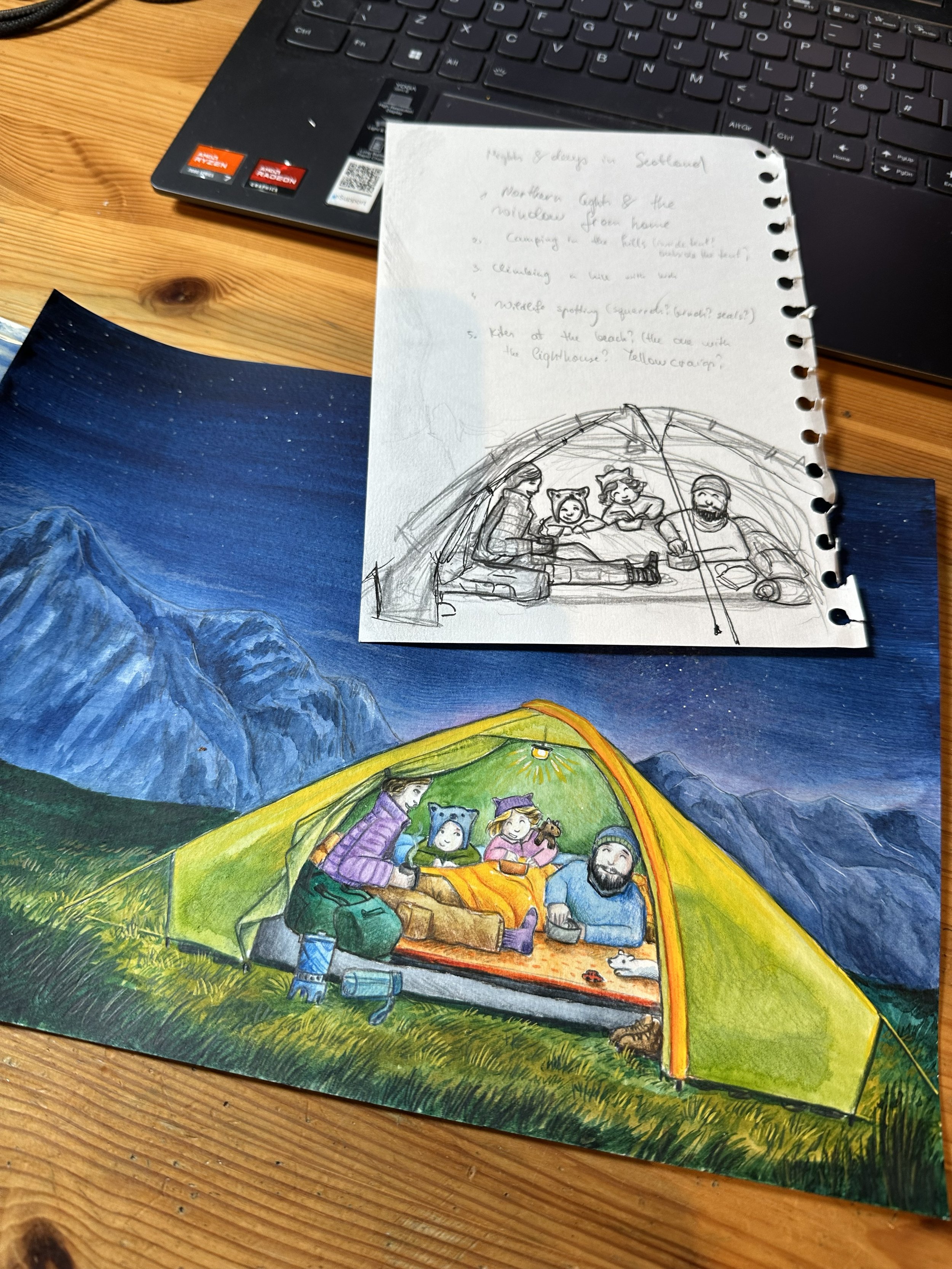
The final image together with the first sketch
